Torn meniscus: symptoms, how it’s diagnosed and when it needs surgery
A torn meniscus often shows up as a pop, swelling over the next few days and a knee that catches. It doesn’t always need surgery.


A torn meniscus is one of the most common knee injuries, both in people who play sports and in adults over 40. It usually shows up as a pop at the moment of injury, swelling over the following days and a knee that catches or gives way. The good news is that not every torn meniscus needs surgery. Here’s how to recognize it, which test confirms it and when surgery does make sense.
The most common symptoms of a torn meniscus are pain on one side of the knee, swelling that builds over 2 to 3 days, a feeling that the knee catches or locks, a knee that gives way and not being able to fully bend or straighten it. An X-ray doesn’t show the meniscus: the test that confirms a tear is an MRI. Many tears improve without surgery; surgery is considered when the knee locks or symptoms don’t improve with treatment.
What the meniscus is
Each knee has two menisci: an inner one (medial) and an outer one (lateral). They are two wedge-shaped pieces of cartilage that sit between the thighbone (femur) and the shinbone (tibia). They work as shock absorbers: they spread weight between the two bones and help keep the knee stable.
The meniscus gets little blood supply. Only its outer third has good circulation, and that matters: a tear in that area can heal or be repaired, while tears in the inner two thirds almost never heal on their own.
How a meniscus tears
During sports
The typical injury is a twist with the foot planted on the ground: a quick change of direction in soccer, a pivot in basketball or a bad landing. It can happen with or without contact, and it often comes with other knee injuries, such as an ACL tear.
After 40
With age, the meniscus becomes less resilient and tears with less force. An awkward twist while getting up from a chair can be enough. These are called degenerative tears, and they often go hand in hand with joint wear.
Symptoms of a torn meniscus
Many people feel or hear a pop when it happens and can still keep walking. It’s over the next 2 or 3 days that the knee becomes stiff and swollen. The most common symptoms are:
- Pain on one side of the knee, on the inside or the outside.
- Swelling and stiffness.
- Locking: a feeling that something gets caught and won’t let the knee bend or straighten.
- The knee gives way when you put weight on it.
- You can’t fully bend or straighten it.
“If it hurts on one side, whether the outer or inner side, and you feel your knee catch or lock, the problem may come from a meniscus.”
How it’s diagnosed: does it show on an X-ray?
- Physical exam. The orthopedic surgeon checks for tenderness right along the line where the femur and tibia meet, and does maneuvers that bend, straighten and rotate the knee, such as the McMurray test. If there’s a tear, they can cause pain or a click.
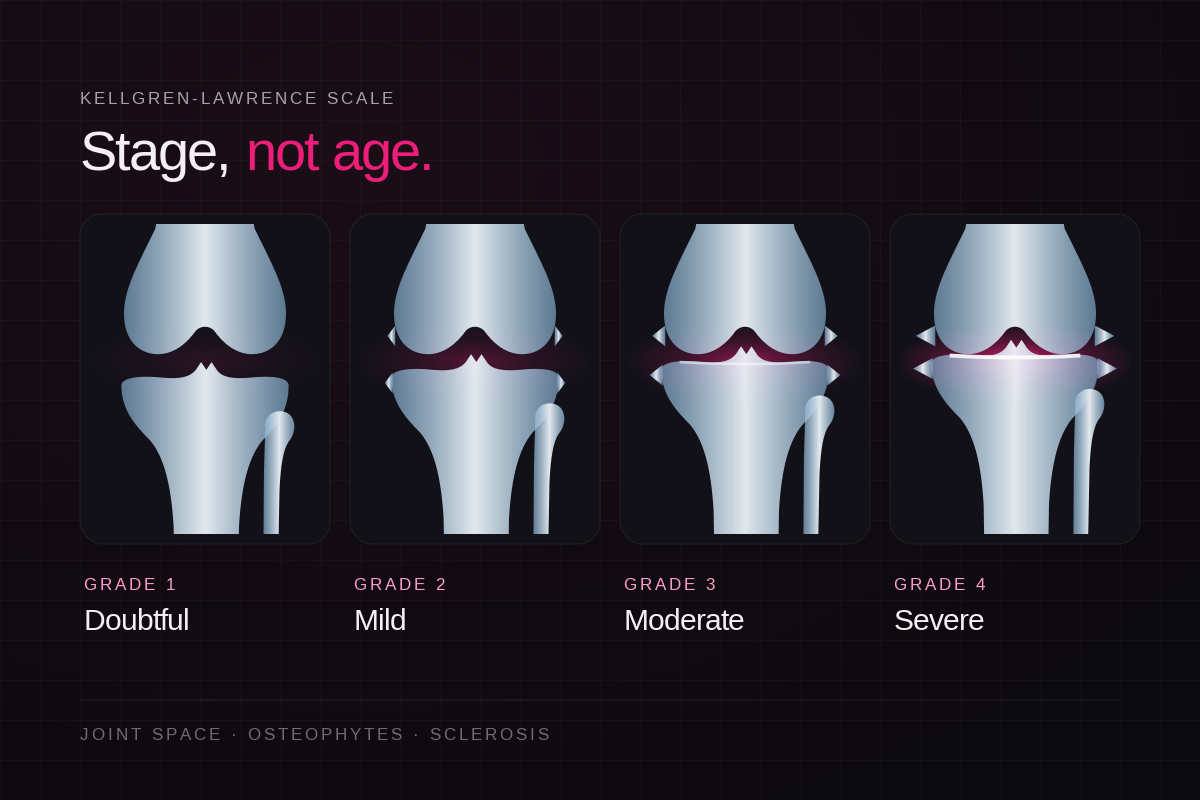
- X-ray. It doesn’t show the meniscus, because it’s cartilage, but it helps rule out other causes of pain, such as osteoarthritis.
- MRI. It’s the test that best shows the meniscus and the type of tear. If an MRI isn’t available, there are alternatives such as ultrasound.
Your MRI report may describe the type of tear with names such as bucket-handle, flap or radial. The type and location of the tear help decide the treatment.
Does your knee catch or swell?Bring your MRI or X-ray if you already have one. If not, we’ll tell you which one you need at your consultation.
Book a consultationTreatment without surgery
Many tears don’t need surgery right away, especially when symptoms are mild and the knee doesn’t lock or swell. Initial treatment usually includes:
- Relative rest: avoiding twisting, impact and squatting while the swelling goes down.
- Ice for 20 minutes at a time.
- Elevating the leg to help bring the swelling down.
- Physical therapy to regain motion and strengthen the quadriceps and the muscles that protect the knee.
- Pain medication or an injection, only as prescribed by your doctor.
Taking anti-inflammatories on your own for weeks doesn’t repair the meniscus and can harm your stomach or kidneys. That’s why any medication should be prescribed by your doctor.
When a torn meniscus needs surgery
Surgery is considered when the knee locks, when symptoms don’t improve with treatment or when the tear is a type that’s worth repairing. It’s done arthroscopically: a camera and thin instruments go into the knee through small incisions.
| Surgery | What’s done | Approximate recovery |
|---|---|---|
| Partial meniscectomy | Only the torn piece that can’t heal is removed. | 3 to 6 weeks |
| Meniscus repair | The torn edges are stitched together so they can heal. Depends on the location and type of tear. | 3 to 6 months |
Because the meniscus works as a shock absorber, the choice between removing the torn piece and repairing it depends on where the tear is, what type it is, your age and your activity level. After either one, rehab starts with exercises to regain motion and then strength. Physical therapy is an important part of the result.
When to go to the ER
- You had a blow, a fall or a twist and can’t put weight on your leg.
- The knee looks deformed.
- The knee is hot, red and swollen and you have a fever.
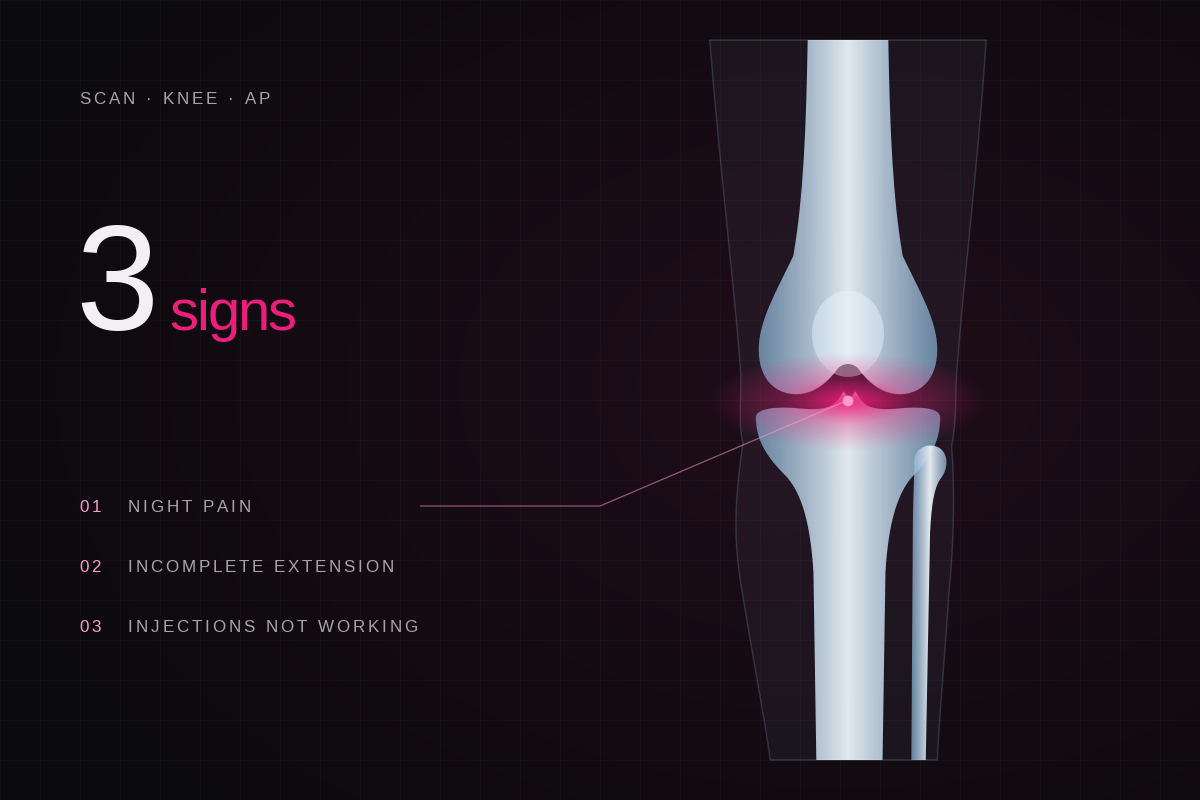
If your knee keeps catching, swells every time you’re active or gives way when you walk, book a consultation. And if it also hurts at night, read 3 signs your knee needs to be checked.
Frequently asked questions
Can a torn meniscus heal on its own?
It depends on where the tear is. The outer third of the meniscus has good blood flow, and a small tear there can heal. In the inner two thirds it almost never heals on its own. Even so, many tears stop causing problems with physical therapy and care, without surgery.
Can you walk with a torn meniscus?
Yes. Many people keep walking after the injury, which is why they sometimes wait to get it checked. Being able to walk doesn’t mean the knee is fine: if it swells, catches or gives way, it’s worth getting it checked before going back to sports or carrying heavy loads.
Does an X-ray show a torn meniscus?
No. The meniscus is cartilage and doesn’t show on an X-ray. An X-ray helps rule out other causes, such as osteoarthritis. The test that confirms a meniscus tear is an MRI.
How long is recovery after meniscus surgery?
It depends on the surgery. If only the torn piece is removed (partial meniscectomy), recovery usually takes 3 to 6 weeks. If the meniscus is repaired with stitches, rehab usually takes 3 to 6 months. Your orthopedic surgeon will give you the timeline for your case.
Sources
- American Academy of Orthopaedic Surgeons (AAOS), OrthoInfo. Meniscus Tears.
- MedlinePlus. Knee Injuries and Disorders.
Dr. Mariana López Martínez
Dr. Mariana López Martínez is an orthopedic and trauma surgeon with fellowship training in hip and knee reconstruction from the Universidad de Monterrey at Swiss Hospital. She completed her residency at IMSS UMAE 21 in Monterrey and sees patients in Tijuana, in English and Spanish.
Medical license 11678865 · Specialty license 14090312
This article is for information only and doesn’t replace a medical consultation. If you have pain or questions about your case, book a consultation.